
Hotel Bed Bug Prevention: Mattress Covers and Beyond
In the hospitality industry, a single guest review mentioning "bed bugs" can devastate a reputation that took decades to build. For hoteliers, these pests are not just a nuisance; they are a significant business risk. While guests may fear the bite, hotel owners fear the bottom-line impact: lost revenue, room closures, and costly exterminations.
Effective pest management isn't about reacting to a crisis—it's about stopping one before it starts. By implementing robust hospitality bed bug solutions and choosing the right preventative equipment, you can safeguard your property and your guests' peace of mind.
Bed Bug Prevention
Prevention is the first line of defense in maintaining a pest-free environment. Bed bugs are notorious hitchhikers, often arriving on guests' luggage, clothing, or even used furniture. Once they enter a facility, they can spread rapidly through electrical outlets, wall voids, and baseboards, making containment difficult.
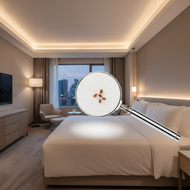
A proactive approach requires a combination of vigilance and the right tools. Regular inspections are crucial. Housekeeping staff should be trained to spot the early signs of an infestation, such as tiny rust-colored spots on sheets or dark specks on mattress seams. However, relying solely on visual checks isn't enough.
Integrating bed bug control products for hotels into your standard operating procedures creates a hostile environment for pests. This includes using luggage racks to keep bags off the floor and maintaining clutter-free rooms to reduce hiding spots. The goal is to minimize the opportunities for bed bugs to establish a colony in the first place.
Bed Bug Identification
Watching for tell-tale signs of bug activity and accurately identifying the culprit should be regularly monitored by housekeeping staff. This is the cornerstone of bed bug prevention and gives management the ability for rapid response in hotels. Bed bugs are small, flat, and reddish-brown; adults are about the size of an apple seed, while nymphs are smaller and lighter in color. Key visual signs include:
- Rust-colored stains on bedsheets or mattresses, which result from crushed bugs.
- Dark specks or tiny black dots, which are bed bug excrement.
- Shed skins or eggshells, often found where bed bugs hide.
- Live bed bugs, typically found in hidden locations.
Careful inspection should focus on high-risk areas such as mattress seams, box springs, and the piping along the edges of mattresses. Don't overlook less obvious spots—bed bugs often conceal themselves behind headboards, in cracks or crevices of furniture, under bed frames, inside upholstered chairs, or even behind electrical outlets and picture frames. Regularly checking these areas significantly increases the likelihood of early detection, making it easier to eradicate an infestation before it becomes widespread.
Eradicating Bed Bugs
Despite best efforts, infestations can still happen. When they do, speed and efficacy are paramount. Traditional extermination methods often require rooms to be out of service for days, which kills occupancy rates. Modern solutions offer faster, more reliable results.
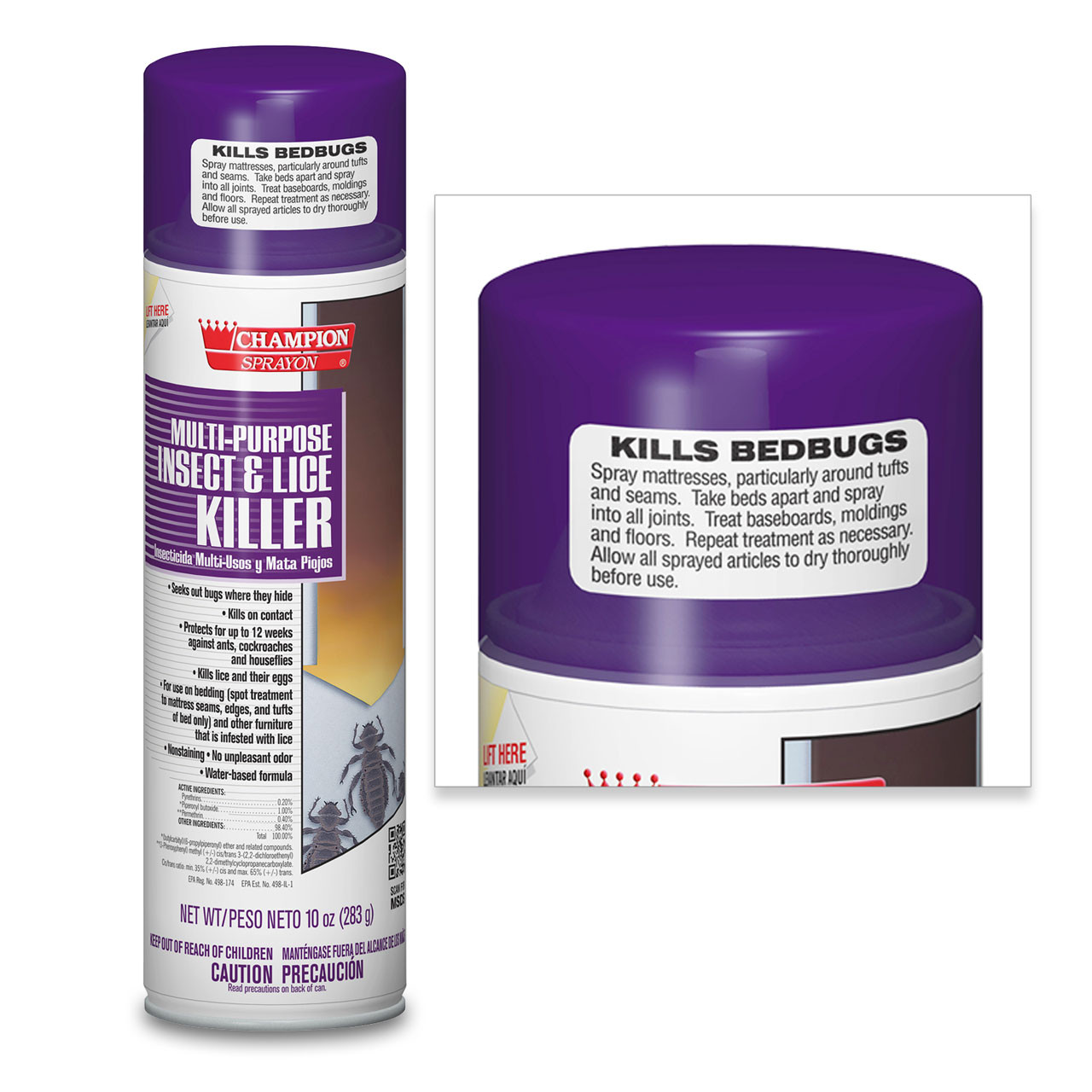
Chemical treatments remain a staple in pest control. Keeping commercial bed bug treatment supplies on hand allows maintenance teams to address minor issues immediately before calling in professionals for larger outbreaks. Hotel bed bug spray designed specifically for hospitality use can kill bed bugs on contact and provide residual protection. For larger properties, investing in bulk insecticide for bed bugs ensures you are never caught empty-handed during a busy season.
However, chemicals aren't the only answer. Heat is one of the most effective weapons against these resilient pests. A bed bug steam cleaner penetrates deep into fabric folds, cracks, and crevices where bugs hide, killing adults and destroying eggs instantly without using harsh toxins. This method is particularly useful for upholstered furniture, curtains, and carpets that might be sensitive to chemical sprays.
The Role of Mattress Encasements and Pillow Protectors
The bed is the primary target for these pests, which makes protecting it your highest priority. A standard mattress pad offers comfort but zero defense against infestation. To truly secure your investment, you need specialized encasements.
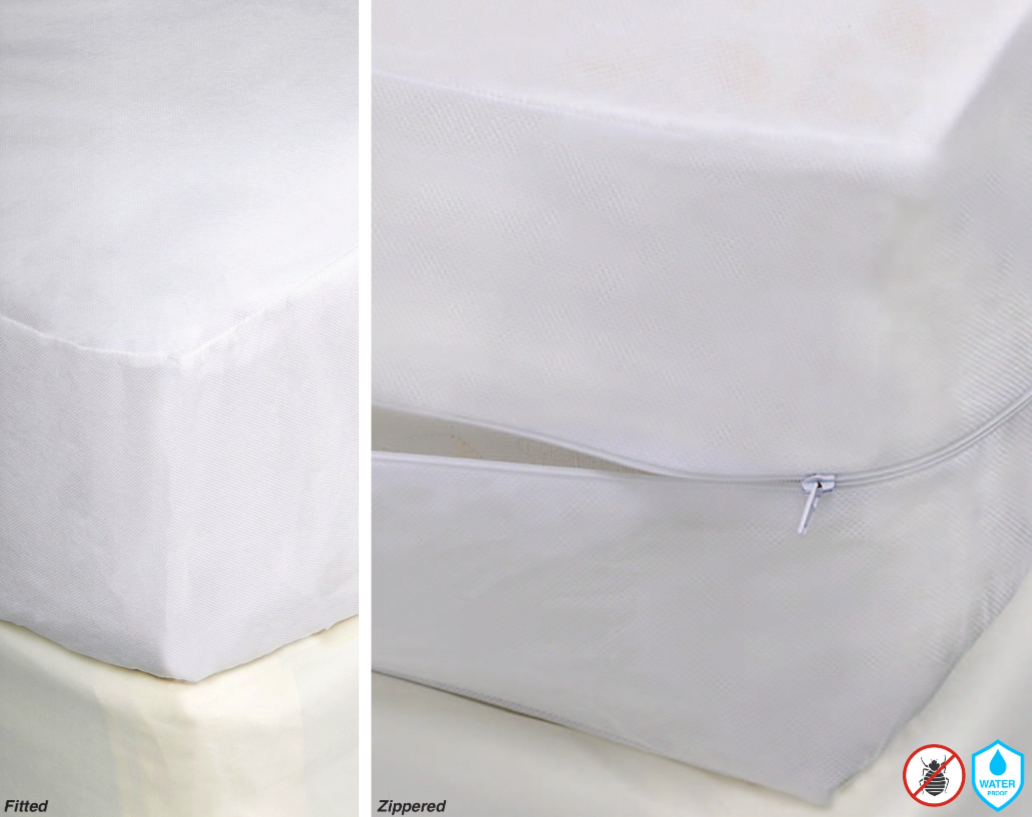
Zippered mattress protectors for bed bugs completely seal the mattress, trapping any existing bugs inside (where they eventually die) and preventing new ones from entering the core of the bedding. Fitted mattress protectors are open underneath the mattress and do not provide the same bed bug protection as the zippered mattress protectors that provide full encasement. This is a critical point because replacing a commercial-grade mattress is far more expensive than protecting it.
When selecting covers, material matters. A waterproof bed bug mattress cover offers dual protection against spills and pests, extending the life of the mattress significantly. For a more guest-friendly feel that doesn't sacrifice safety, terry cloth zippered mattress protectors provide a soft, breathable surface that doesn't crinkle or feel like plastic, ensuring guest comfort while maintaining a fortress-like barrier against pests.
Lower-cost options, such as vinyl mattress covers for bed bugs, are also effective for protecting box springs or for use in economy lodging where budget is a primary constraint. Regardless of the material, the key is the encasement mechanism—specifically, zippers that lock tightly to ensure there are no gaps for entry or escape.
LodgMate Waterproof Polypropylene Zippered Mattress Covers
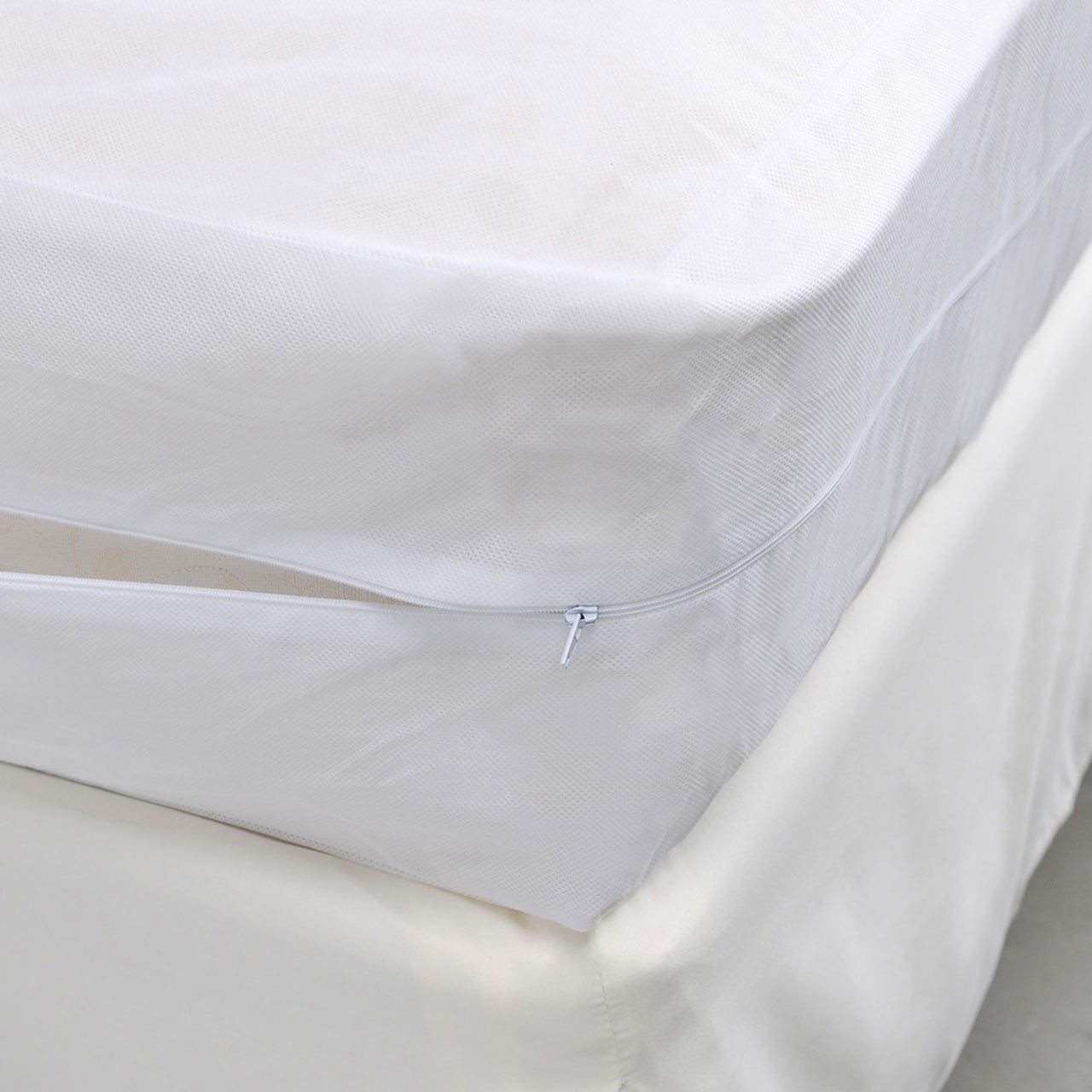 |
Quiet, polypropylene zippered mattress covers feature a waterproof vinyl coating to protect your mattresses. They are flame-retardant, bacteria and stain resistant, and non-allergenic. This zippered option also offers effective resistance to bed bugs. Available in 9" and 12" depths to match the size with your mattress thickness and provide a snug fit. |
Avoid Wooden Bed Bases: Choose Metal Bed Bases
One often overlooked aspect of bed bug prevention is the bed frame itself. Wooden box spring bases and platform beds are aesthetically pleasing, but they are also porous and full of joints, cracks, and crevices. To a bed bug, a wooden frame is a luxury condo complex. Wood provides warmth and plenty of hiding spots that are difficult to inspect and treat effectively.
Switching to metal bed bases is a smart structural change for hotels serious about pest control. Metal surfaces are cold, slick, and generally inhospitable to bed bugs. Metal frames typically have fewer joints and crevices, leaving pests nowhere to hide. If an infestation does occur, metal is far easier to clean and sanitize than wood. It can withstand chemical treatments and steam cleaning without warping or absorbing moisture. By eliminating the wooden frame, you remove a primary harborage area, forcing bugs into more exposed locations where they are easier to spot and eliminate.
LodgMate 13" Metal Platform Bed Bases
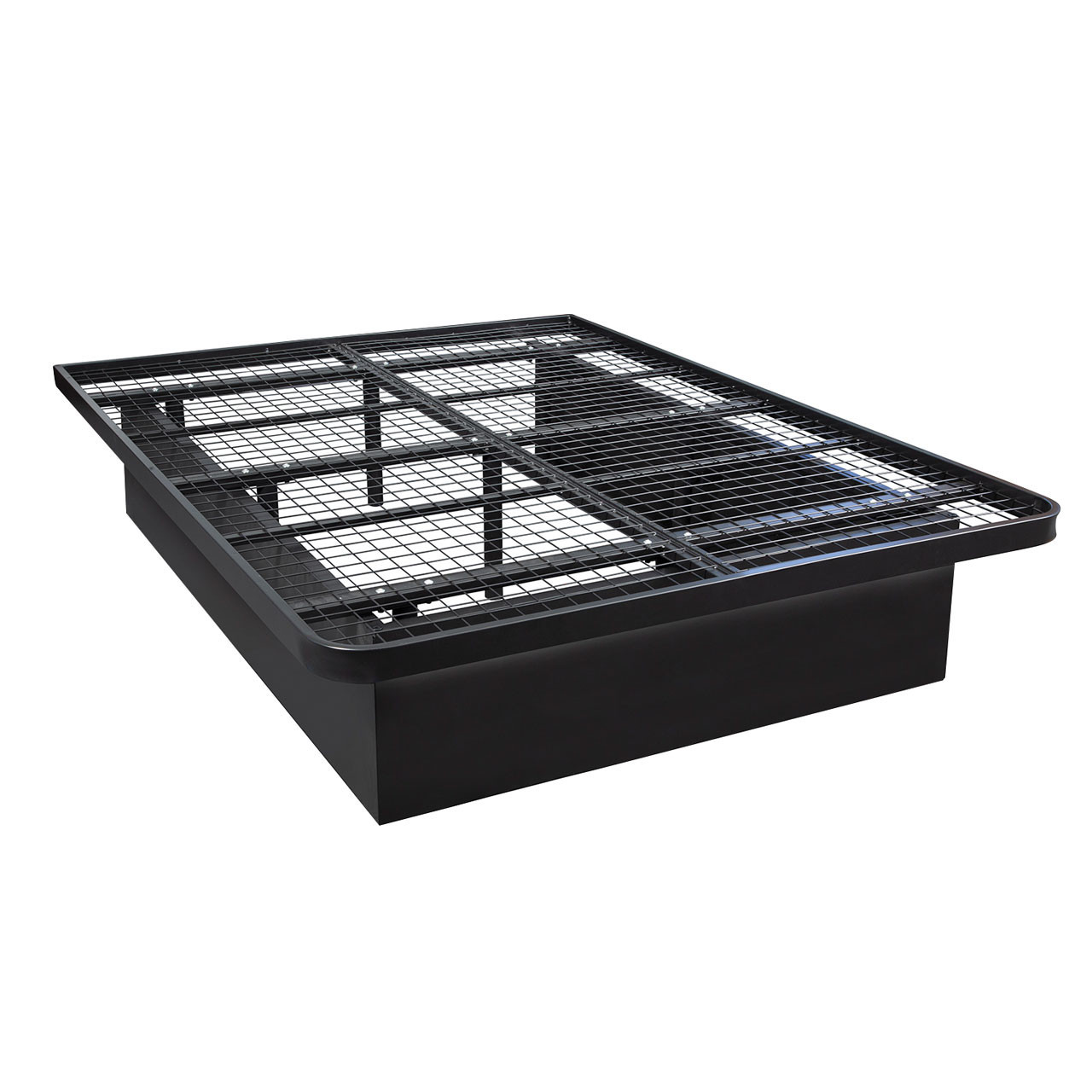 |
All-metal platform bed bases by LodgMate are ideal for hotels, motels, and other properties looking to upgrade to a modern bedding system or switching from wood platforms to metal platforms for superior bed bug protection. Platform Bed Bases also help eliminate your need for a boxspring or foundation, limiting places for bed bugs to hide. Strong, all metal construction and craftsmanship provide a durable and cost-effective choice for your guest beds. |
Other Protective Measures
While equipment like encasements and metal frames are vital, the human element remains your strongest asset. Comprehensive hospitality bed bug solutions must include ongoing staff education. Housekeeping and maintenance teams are your eyes on the ground. Regular training sessions on how to identify bed bugs at different life stages—from eggs to adults—can make the difference between a minor localized incident and a full-blown infestation.
Encourage a culture of reporting without fear of blame. If a housekeeper spots a sign of activity, they should feel empowered to report it immediately so the room can be taken offline and treated.
Additionally, consider the layout of the room. Keep beds pulled slightly away from the walls and ensure headboards are easily detachable for inspection. Use interceptor cups under bed legs to monitor for activity and prevent bugs from climbing up from the floor.
By combining physical barriers like protectors and metal frames with chemical and heat treatments, and reinforcing it all with staff vigilance, you create a comprehensive defense strategy. This multi-layered approach ensures that your hotel remains a welcoming haven for guests, not pests.
Conclusion
Bed bugs are a persistent threat in the hotel industry, but they don't have to be a disaster. By investing in commercial bed bug treatment tools, utilizing zippered mattress protectors for bed bugs, and making smart structural choices like metal bed bases, you can protect your property's reputation and revenue. Start reviewing your pest control protocols today—prevention is always cheaper than the cure.
Where To Buy Bed Bug Treatments
Go to the Bed Bug Treatment & Control page and add your items to the shopping cart.
Account Setup and Registration takes only a few minutes when registering your account.
- For more information, visit www.nathosp.com
- To speak with a representative, call 1-800-526-8224 (8AM - 6PM CST)
- To email customer service, send a message to cs@nathosp.com
