
Microfiber vs Cotton Pillow Shells: Which Is Best?
October 27th 2025

Compare Microfiber vs Cotton Pillow Shell
Choosing the right pillow shell can greatly impact your sleep quality. Microfiber and cotton are two popular options, each offering unique benefits and drawbacks.
Microfiber pillow shells are made from synthetic fibers, known for their durability and affordability. Cotton, on the other hand, is a natural fiber celebrated for its breathability and softness.
Understanding the differences between these materials is crucial, especially for hotel owners seeking to enhance guest comfort. In this article, we will compare microfiber and cotton pillow shells, exploring their features, benefits, and ideal uses.
What Are Microfiber and Cotton Pillow Shells?
Microfiber Pillow Shells
Microfiber pillow shells are crafted from very fine synthetic fibers, finer than even silk. The material is lightweight and often resistant to wrinkles and stains, making microfiber a popular choice for easy maintenance.
Cotton Pillow Shells
Cotton pillow shells are made from natural fibers. Known for their softness and breathability, cotton provides a crisp feel. Many choose cotton for its comfort and its ability to regulate temperature. It is also biodegradable, adding an eco-friendly appeal.
Quick Feature Breakdown:
- Microfiber: Synthetic, durable, stain-resistant
- Cotton: Natural, breathable, hypoallergenic
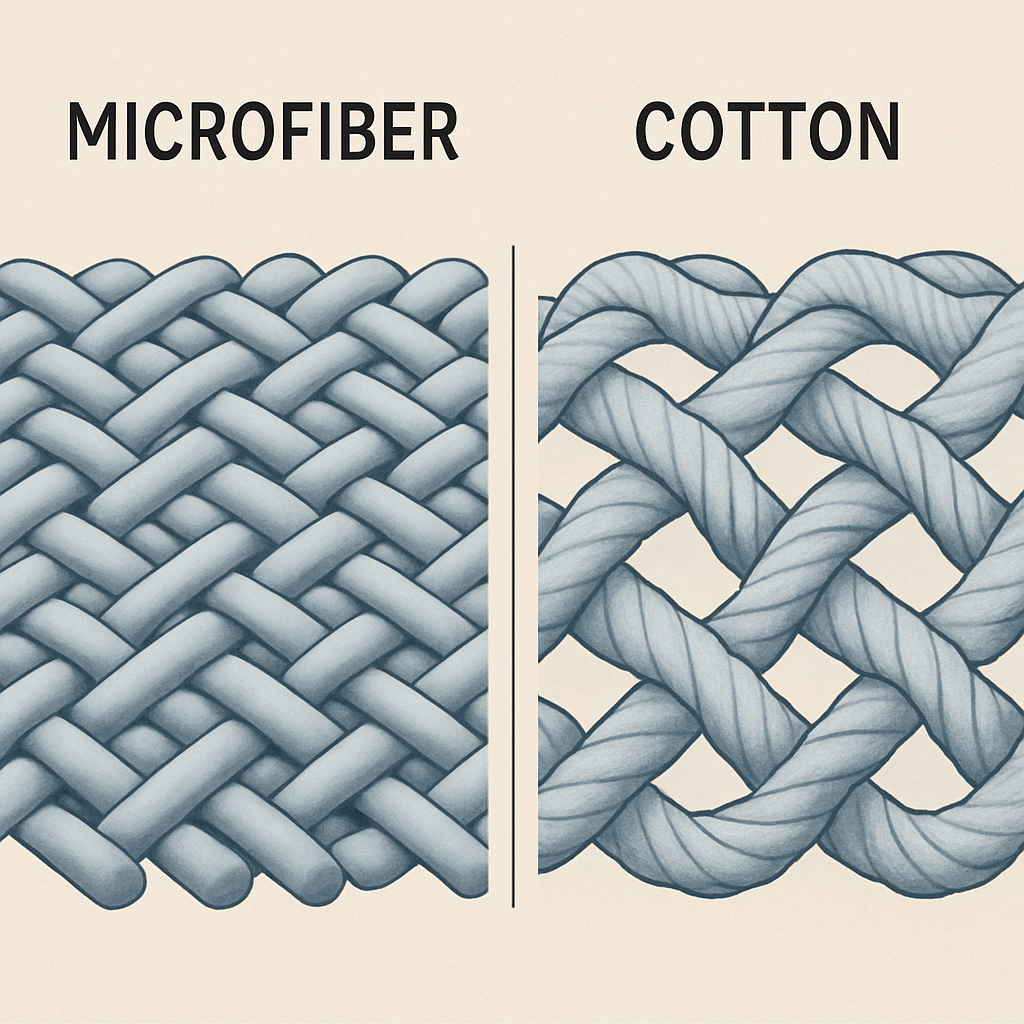
Key Differences: Microfiber vs Cotton
When comparing microfiber and cotton pillow shells, certain distinctions stand out:
- Cost: Microfiber is notably more budget-friendly, appealing for cost-conscious shoppers.
- Comfort: Cotton excels in luxury and breathability, creating a softer and more natural experience.
- Maintenance: Microfiber resists stains and is less prone to shrinkage, making it easier to care for.
Summary of Main Differences:
- Cost: Microfiber is generally cheaper.
- Comfort: Cotton offers luxury and breathability.
- Maintenance: Microfiber is easier to care for.
Comfort and Feel: Which Is Softer?
The comfort of a pillow shell is crucial for restful sleep:
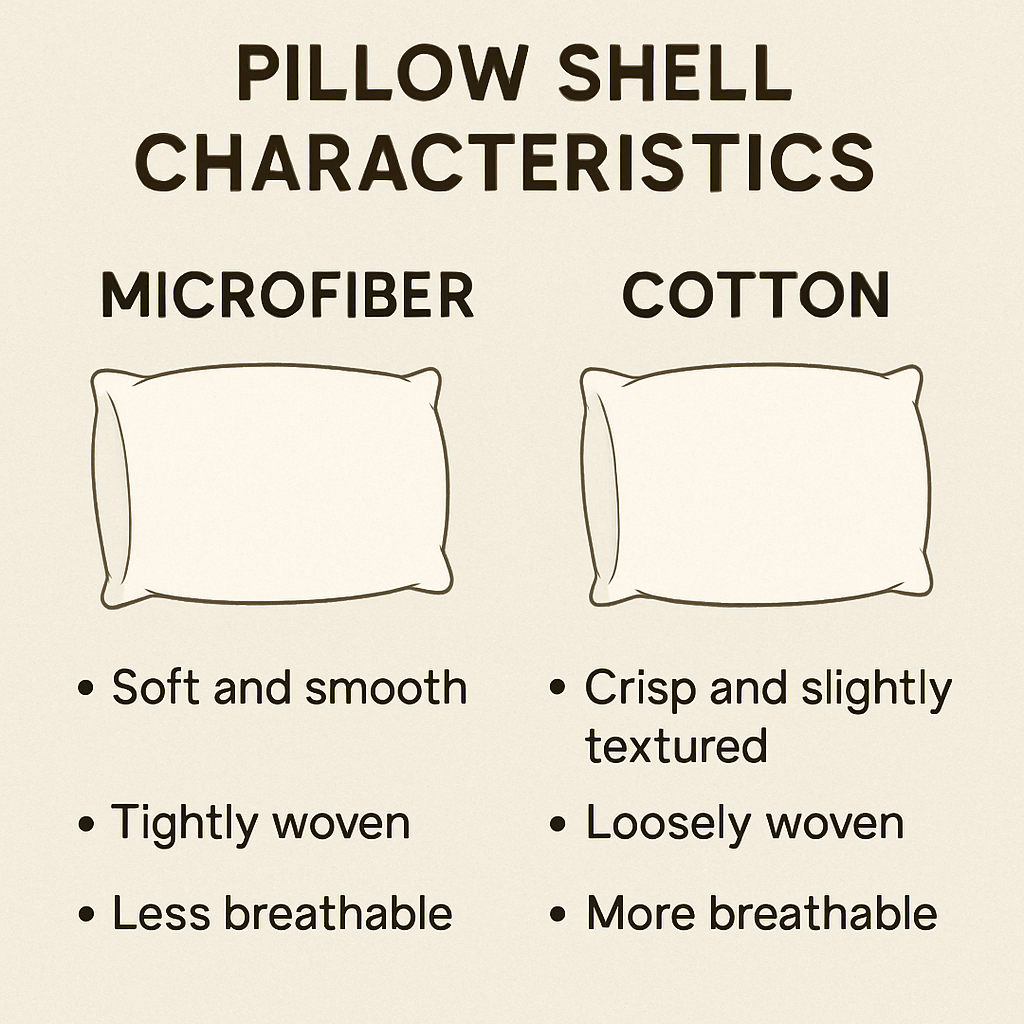
- Cotton: Naturally soft and becomes even softer with each wash, making it a long-term favorite for luxurious comfort.
- Microfiber: Engineered to mimic the plushness of cotton, it retains its softness over time but may lack the natural feel of cotton.
Quick Comparison:
- Cotton: Naturally soft, softens further with washing.
- Microfiber: Soft, retains its feel long-term.
- Preference: Depends on individual taste.
Breathability and Temperature Regulation
Breathability is a major factor in pillow comfort, affecting how cool or warm you sleep:
- Cotton: Highly breathable, wicks away moisture, and allows air to flow freely—perfect for hot sleepers.
- Microfiber: Less breathable and can trap heat, making it warmer but suitable for cooler climates.
Temperature-Regulating Properties:
- Cotton: Cool, moisture-wicking, highly breathable.
- Microfiber: Warmer, retains heat, less breathable.
- Ideal Choice: Depends on your sleeping preferences.
Durability and Maintenance
When it comes to durability, microfiber holds a strong position:
- Microfiber: Resistant to wrinkles and stains, low maintenance, and less prone to shrinking.
- Cotton: Durable but requires gentle washing and care to avoid shrinkage. However, it softens with each wash.
Maintenance Tips:
- Microfiber: Low maintenance, machine washable, stain-resistant.
- Cotton: Requires gentle washing, avoid high heat, softens over time.
- Consideration: Microfiber for less fuss; cotton for tactile comfort.
Hypoallergenic Properties and Health Considerations
Hypoallergenic qualities are vital for those with allergies:
- Microfiber: Naturally resistant to dust mites and allergens, making it ideal for allergy sufferers.
- Cotton: Gentle on sensitive skin, with natural fibers less likely to irritate.
Key Considerations:
- Microfiber: Dust mite resistance, ideal for allergies.
- Cotton: Natural fibers, gentle on sensitive skin.
- Consideration: Both are allergy-friendly; select based on personal preference.
Environmental Impact: Sustainability and Eco-Friendliness
The environmental impact of pillow shells matters greatly:
- Cotton: Biodegradable, renewable, and eco-friendly, making it a top choice for sustainability.
- Microfiber: Synthetic and non-biodegradable, raising concerns about its environmental impact.
Eco-Friendliness Points:
- Cotton: Biodegradable, renewable, eco-friendly production.
- Microfiber: Synthetic, less sustainable, non-biodegradable.
Cost Comparison: Microfiber vs Cotton
Price plays a significant role when choosing pillow shells:
- Microfiber: Budget-friendly due to its low production cost.
- Cotton: Higher price point, reflecting its natural quality and luxurious feel.
Cost Factors:
- Microfiber: Affordable, low production cost.
- Cotton: Higher price, luxury quality.
Which Is Best for Hotel Pillows?
For hotel pillows, comfort and durability are paramount:
- Cotton: Often favored for its luxurious feel and superior breathability, providing guests with a premium experience.
- Microfiber: A cost-effective option with easy maintenance, ideal for quick-drying and stain resistance.
Factors for Hotels to Consider:
- Cotton: Luxurious, breathable, soft.
- Microfiber: Durable, cost-effective, easy upkeep.
How to Choose the Right Hotel Pillow Shell for You
Choosing the right pillow shell involves considering your sleep preferences:
- Feel and Comfort: Test both materials for softness.
- Temperature Preferences: Consider heat retention.
- Maintenance Needs: Weigh ease of care and cleaning.
- Allergy Concerns: Check for hypoallergenic properties.

LodgMate Pillows Offer Both Choices
LodgMate offers a versatile selection of pillows across four distinct collections, each providing the option of either a microfiber or cotton pillow shell to suit diverse preferences and needs:
- Standard Hollowcore Pillows: Medium-density fill with a choice of soft microfiber or breathable 100% cotton shell.
- Cluster Core Pillows: Advanced ball fiber technology with luxurious microfiber or natural cotton shells.
- Premium Hollowcore Pillows: Plush hollow-core polyester fill with stain-resistant microfiber or breathable cotton shells.
- Ultra Down Alternative Pillows: Mimicking natural down, available with premium microfiber or 230-thread-count cotton shells.
Each collection is crafted with hypoallergenic and machine-washable materials, ensuring a clean and restful sleep experience.
Conclusion: Microfiber or Cotton?
Deciding between microfiber and cotton pillow shells depends on your needs and preferences:
- Microfiber: Best for budget-conscious buyers and easy maintenance.
- Cotton: Ideal for those seeking luxury, breathability, and eco-friendliness.
Consider what’s most important to you—comfort, cost, or sustainability—to choose the best pillow shell for your needs.