How to Prevent Tears and Preserve Your Hotel Towels
National Hospitality Supply |January 22nd 2026
Hotel Textile Engineering & Logistics Report
The Science of Luxury Hotel Towels: A Research-Based Guide to Fiber Preservation
Analyzing the impact of bulk hotel wash cycles on molecular cotton degradation and stain removal efficacy.
Fiber Strength Loss 45% per 50 Cycles
Critical pH Limit 11.5 pH
Ideal Reclaim Rate < 3%
1. Molecular Degradation: Why Towels Tear
Research into textile longevity shows that hotel towels are primarily composed of cellulose polymers. These molecules are held together by beta-1,4-glycosidic bonds. In high-volume environments, bulk hotel wash cycles often utilize aggressive oxidizers like Sodium Hypochlorite (Chlorine Bleach).
Scientific Finding: Chlorine is "non-selective." While it whitens, it aggressively "chops" these molecular bonds. A 100% cotton towel loses approximately 2.5% of its tensile strength every time it is exposed to 100+ PPM of chlorine at temperatures above 140°F.
2. The "Iron Catalyst" Effect (Pinholing)
A common reason for "unexplained" tearing in luxury hotel towels is the presence of heavy metals in the water supply. If your facility has even 0.2 PPM of Iron (Fe) in the water, it acts as a catalyst for bleaching agents.
- Local Oxidation: Iron particles settle into the terry loops, creating a "localized burn" when hit with bleach.
- The Result: Micro-tears that expand into large holes during the 1,000+ RPM extraction (spin) phase.
- Prevention: Use chemical sequestering agents (Chelants) to "wrap" the iron and prevent the catalytic reaction.
Advanced Chemistry Comparison
Ecolab® StainBlaster™
Enzymatic Hydrolysis
Replaces aggressive pH with biological enzymes that "eat" protein and lipid stains. Protease enzymes specifically target blood and body oils without touching the cotton cellulose.
Diversey® Clax® Magic
Solubilization Strategy
Designed to reduce "Rewash" rates. Since the mechanical friction of the machine is a primary cause of tearing, a first-cycle success rate is vital for luxury hotel towels.
Research-Backed Operational Standards
| Linen Metric | Impact on Tearing | Optimized Setting |
|---|---|---|
| Alkalinity (pH) | Causes fiber swelling & brittleness | 8.0 - 9.0 pH |
| Thermal Load | Sets protein stains into the fiber | 110°F - 120°F |
| Moisture Content | 0% moisture creates glass-like snap | 3-5% Residual |
3. The "Graying" Factor in Bulk Wash Cycles
Luxury guest satisfaction is often tied to the "perceived whiteness" of hotel towels. Research shows that "graying" is often caused by soil redeposition—where dirt from the water settles back onto the clean towels.
Using high-quality detergents like Tide® Professional provides anti-redeposition agents (carboxymethyl cellulose) that act as a chemical "shield" for the fibers, preventing the graying that leads staff to over-wash and eventually tear the linen.
Conclusion: The Asset Protection Strategy
Transitioning from oxidative bleaching to enzymatic digestion is the single most effective way to extend the lifecycle of your luxury hotel towels. By monitoring pH thresholds and managing water minerals, your property can reduce linen replacement costs by up to 30% annually.
Shop Our Premium Hotel Towel Collections
Engineered for luxury, durability, and high-volume performance.
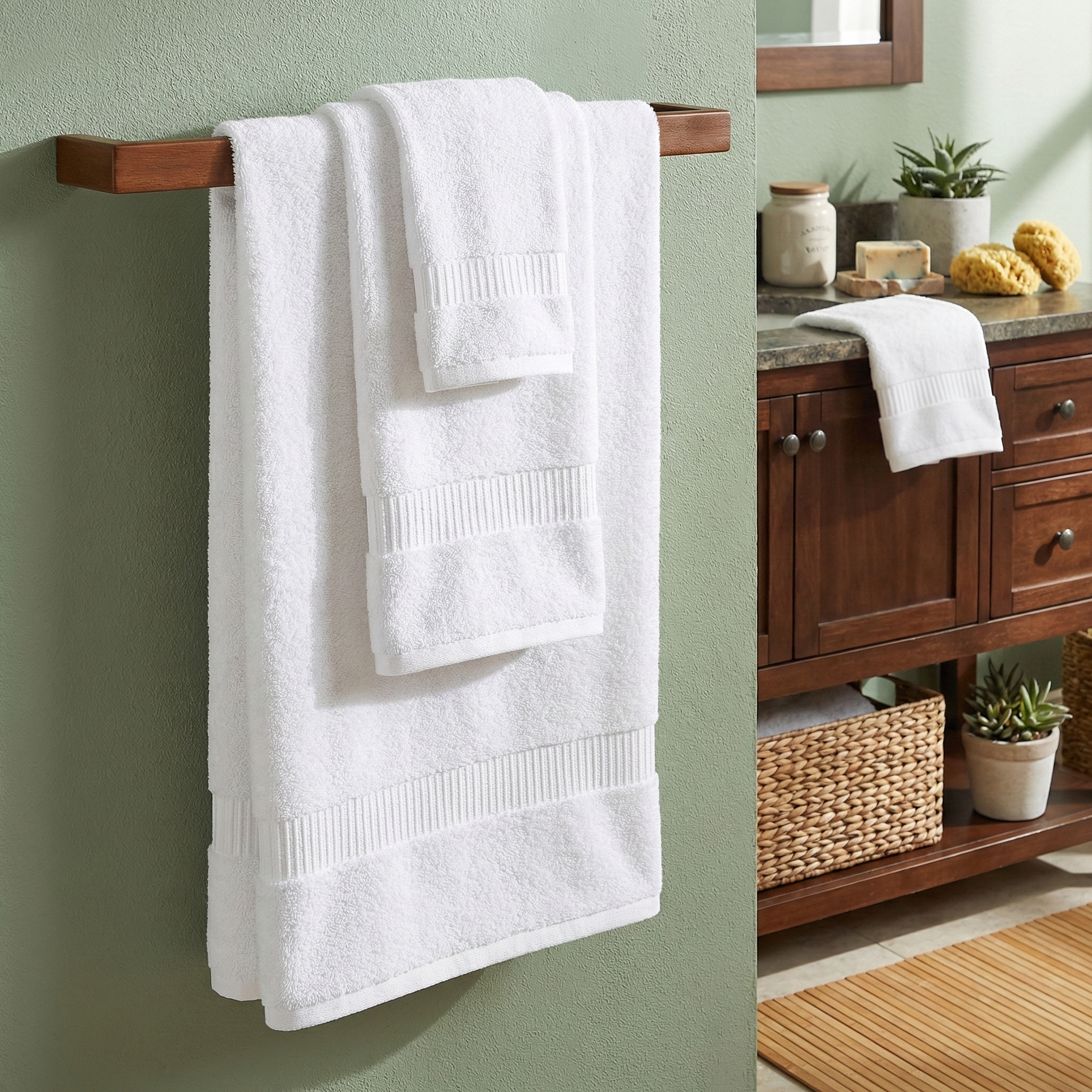
Ultra Premium
Reserve Collection
100% Cotton premium hotel white towels designed for a 5-star guest experience.
Shop Reserve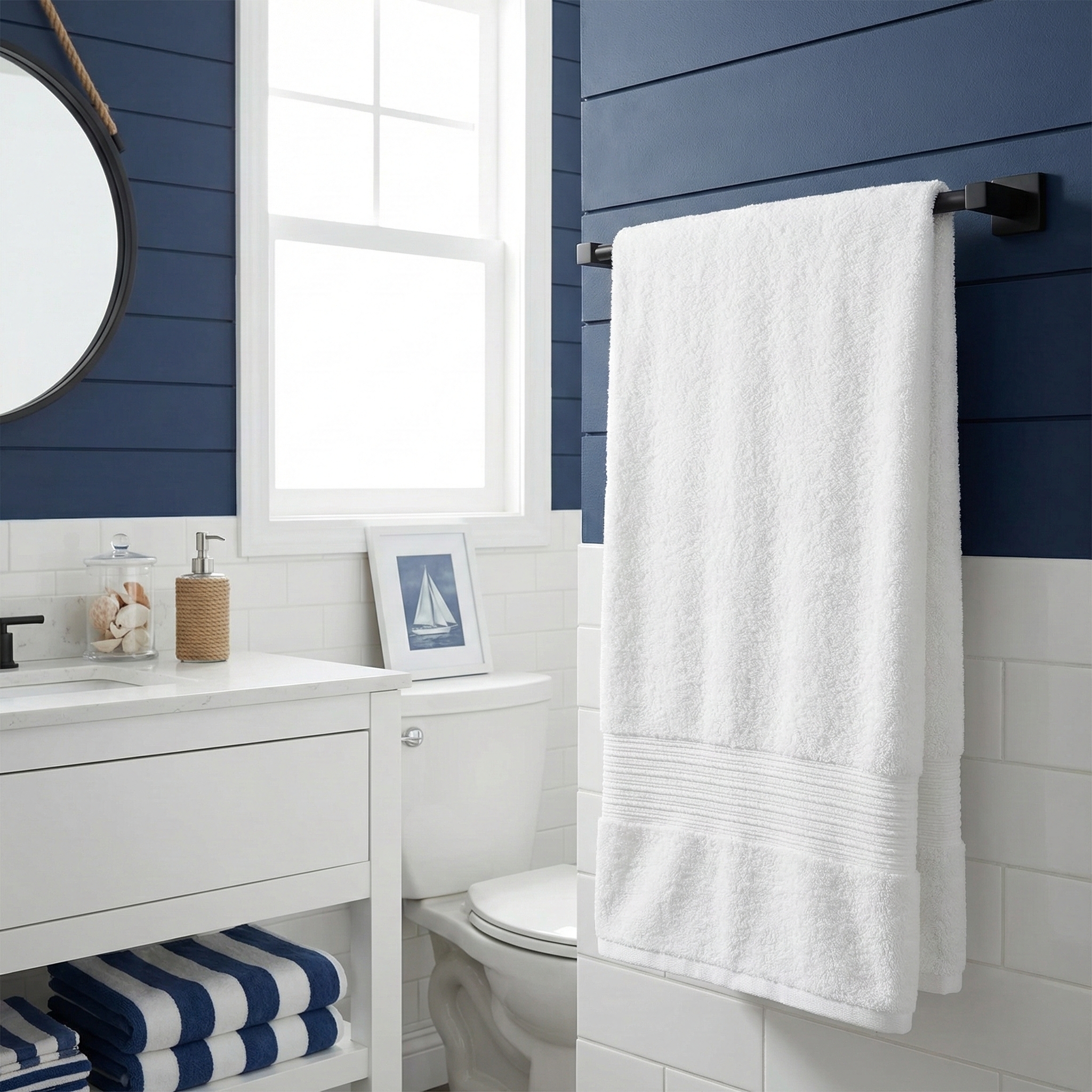
Hudson Collection
Classic 100% cotton guestroom towels built for industrial laundry performance.
Shop Hudson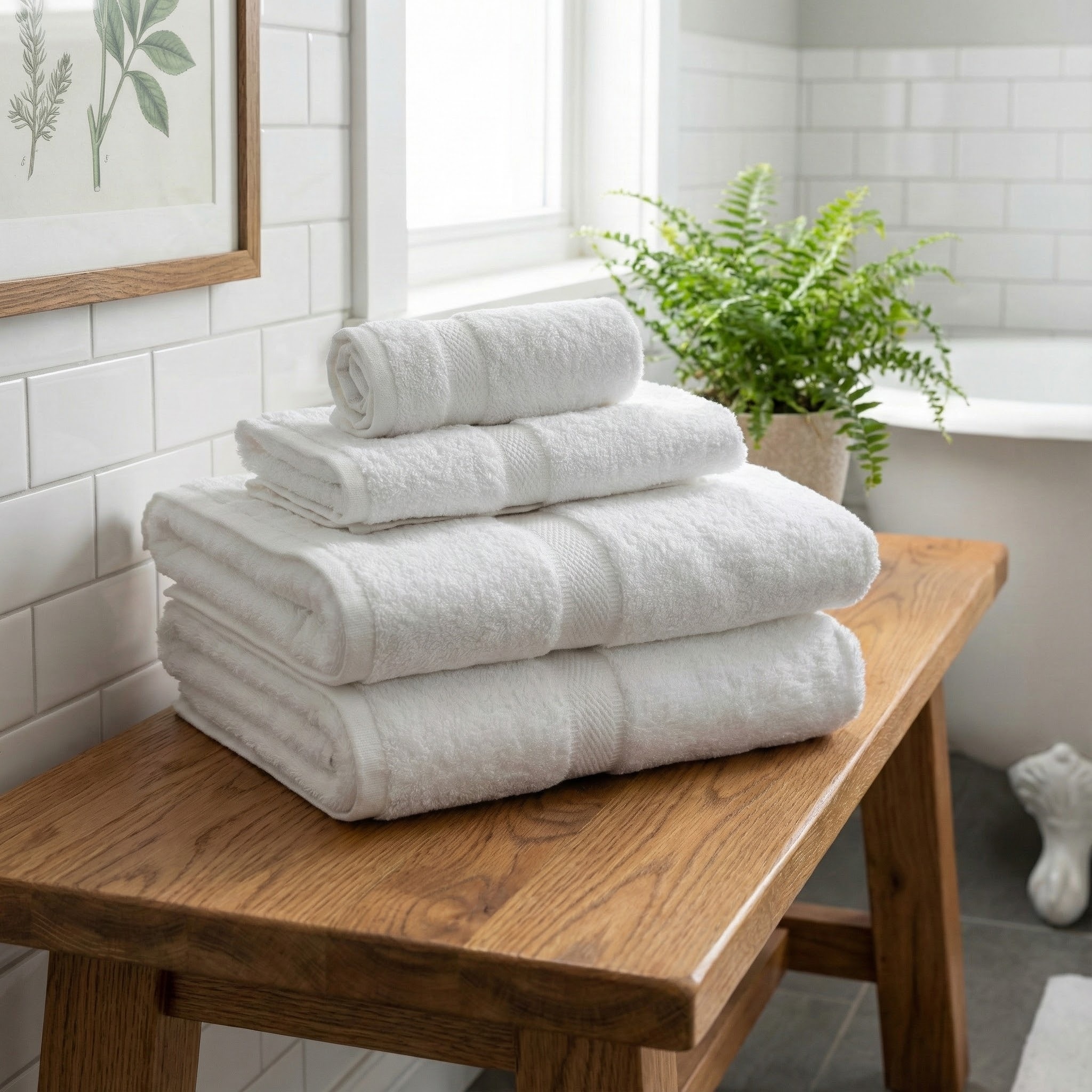
Best Seller
Williams Bay Gold Collection
The "Gold Standard" in plushness, weight, and long-term durability for your hotel towels. These are ideal for airbnb and vacation rental property managers as well.
Shop Williams Bay Gold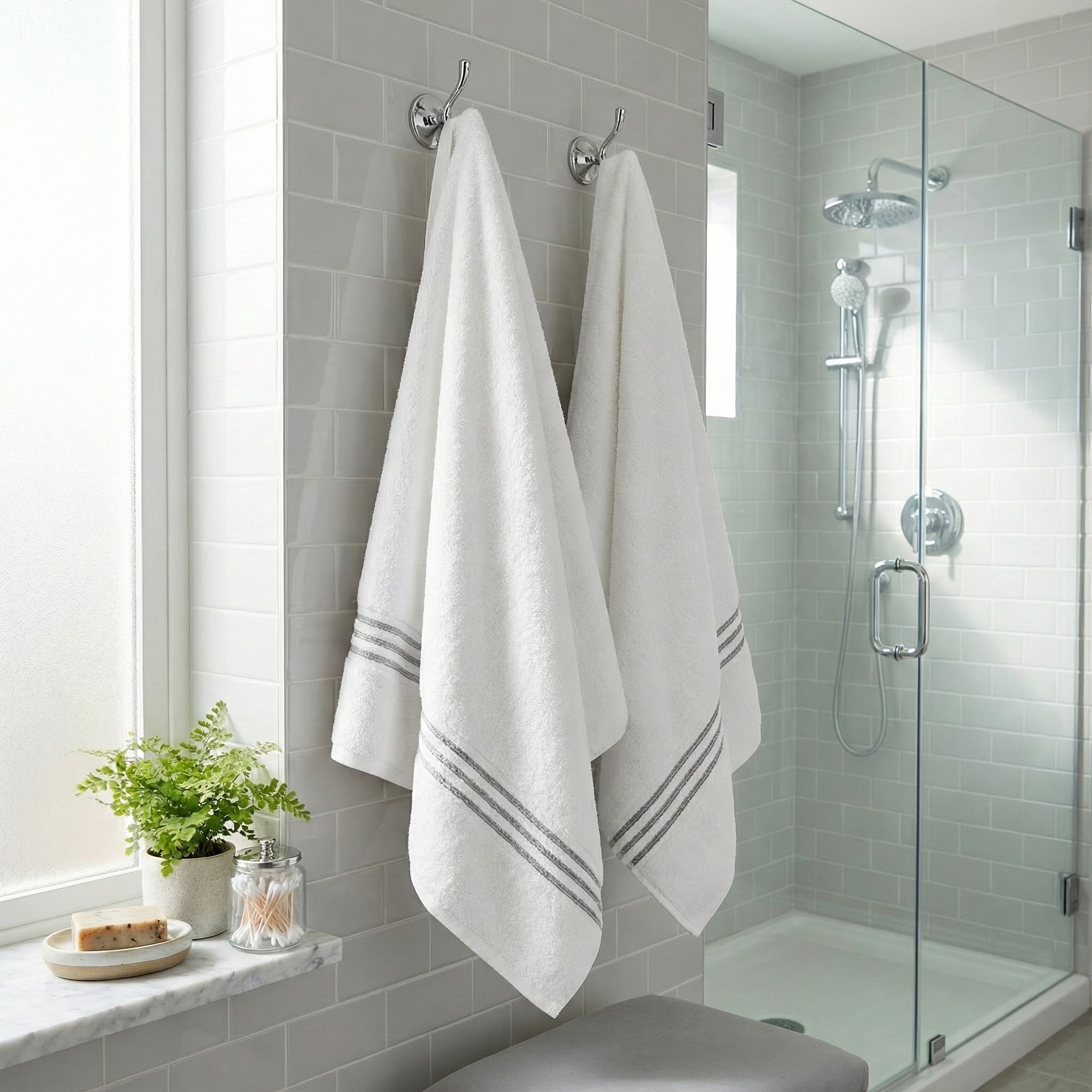
Luxury
Geneva Collection
100% Combed Cotton towels featuring an elegant silver stripe border for a luxury feel.
Shop GenevaBulk Pricing Available for Hospitality Partners
Shop online at nathosp.com
Wholesale Towel volume inquiries email [email protected]
TRADEMARKS: Ecolab® and StainBlaster™ are trademarks of Ecolab USA Inc. Clax® is a registered trademark of Diversey, Inc. Tide® and Acti-Lift™ are registered trademarks of Procter & Gamble.
DISCLAIMER: This technical report is based on general hospitality industry research. Because water quality and machinery vary, [Your Company Name] is not liable for damage resulting from the implementation of these protocols. Consult with your chemical specialist and Safety Data Sheets (SDS) before altering bulk hotel wash cycles.